Gateway Mode
Acquire Modbus RTU/TCP field data, normalize registers, and expose stable upstream access through the gateway.
Modbus RTU/TCP Acquisition, Protocol Routing and Stable Modbus TCP Server Access
The LM Modbus Gateway collects data from Modbus RTU and Modbus TCP devices, performs protocol routing and data mapping, and presents clean upstream access through a robust Modbus TCP Server.
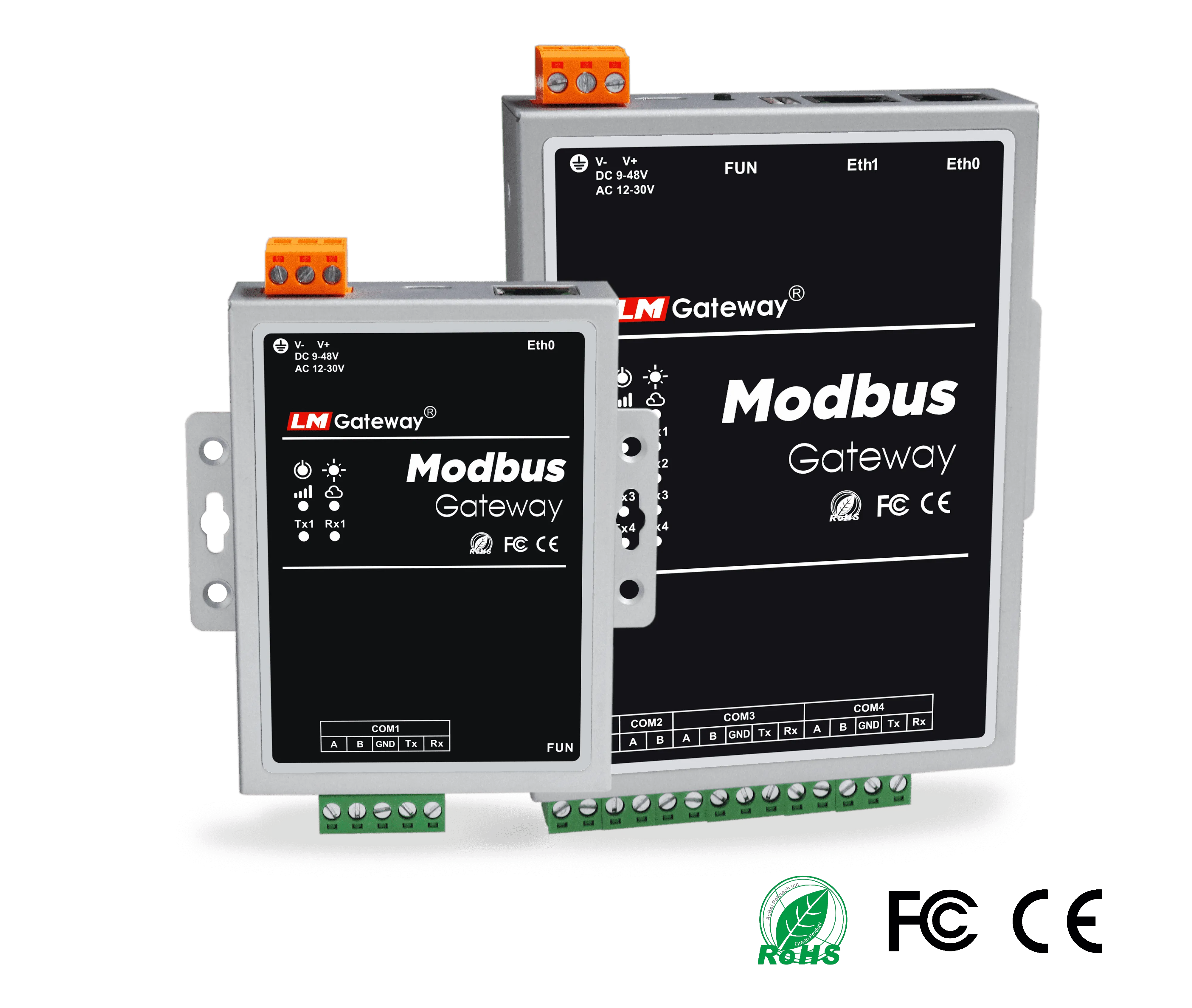
Choose the deployment pattern that matches your project. Use gateway mode for field-side acquisition and protocol conversion, or routing mode when Modbus traffic needs structured forwarding between segments.
Acquire Modbus RTU/TCP field data, normalize registers, and expose stable upstream access through the gateway.
Route Modbus traffic between network layers and device segments when structured protocol forwarding is required.
The platform is designed for real commissioning work, continuous operation and practical troubleshooting after deployment.
Build clean field-side point models from Modbus RTU/TCP devices and prepare them for dependable live delivery.
Keep live values, communication health and gateway status visible during startup, tuning and daily operation.
Shape Modbus TCP server behavior with the controls needed for stable upstream access in production environments.
Define forwarding logic between network layers and device segments with cleaner, more project-specific paths.
Capture runtime status, communication interactions and system errors for faster fault isolation and service review.
These service controls help keep upstream systems stable even during startup events, communication interruptions and high-access conditions.
In real projects, the challenge is not only collecting Modbus data but also ensuring the host system receives meaningful values during abnormal moments. LM Modbus Gateway is built around this requirement with fault-tolerant output behavior, startup control and high-stability service delivery.
Maintain the last valid value during communication loss so upper systems do not see unstable point drops.
When needed, output a configured default value instead of invalid data during abnormal conditions.
Delay server startup until internal acquisition is ready, helping the host get valid data from the first poll.
Support high-concurrency Modbus TCP Slave services with flexible ports and KeepAlive support for stable access.
The same Modbus gateway pattern fits many projects where field-side Modbus data must be collected, routed and served upstream in a stable way.
Provide stable Modbus TCP access to supervisory software, HMIs and local monitoring platforms.
Collect serial meter data and expose it through one upstream Modbus TCP server interface.
Bridge panel devices and simplify external system access for packaged equipment and machine builders.
Keep existing Modbus equipment while creating a cleaner, more manageable upstream data access layer.
From point planning to startup validation, the gateway is structured to make Modbus-side delivery repeatable and easier to maintain.
Identify Modbus RTU/TCP devices, register addresses, data types and polling expectations.
Set routing behavior, TCP server parameters, startup delay and fail-safe output strategy.
Use real-time monitoring and logs to confirm values, communication status and service readiness.
Connect the host platform, validate polling behavior and complete stable project handover.
Quickly compare and select the right Modbus gateway model based on serial ports, Ethernet ports, and data point capacity.
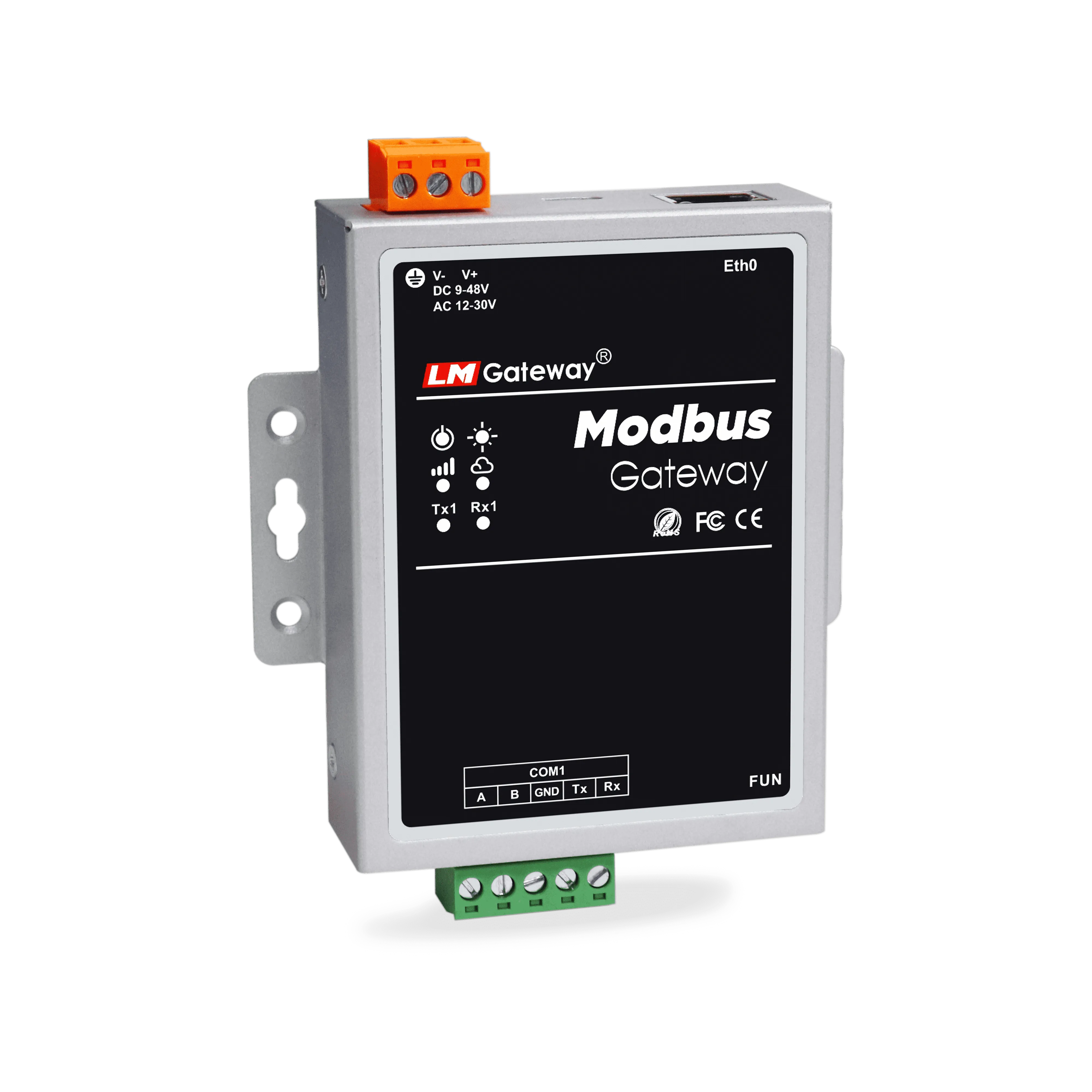
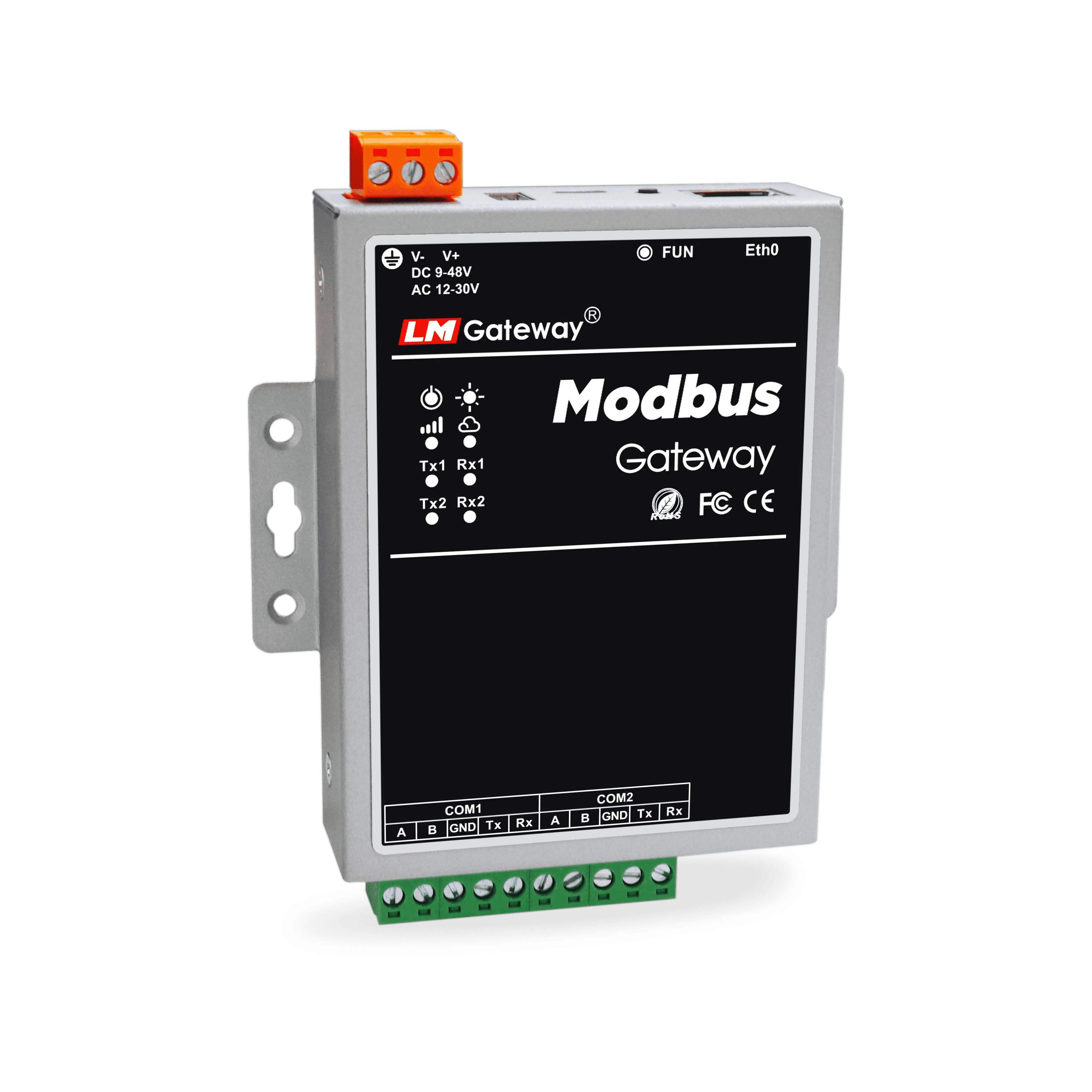
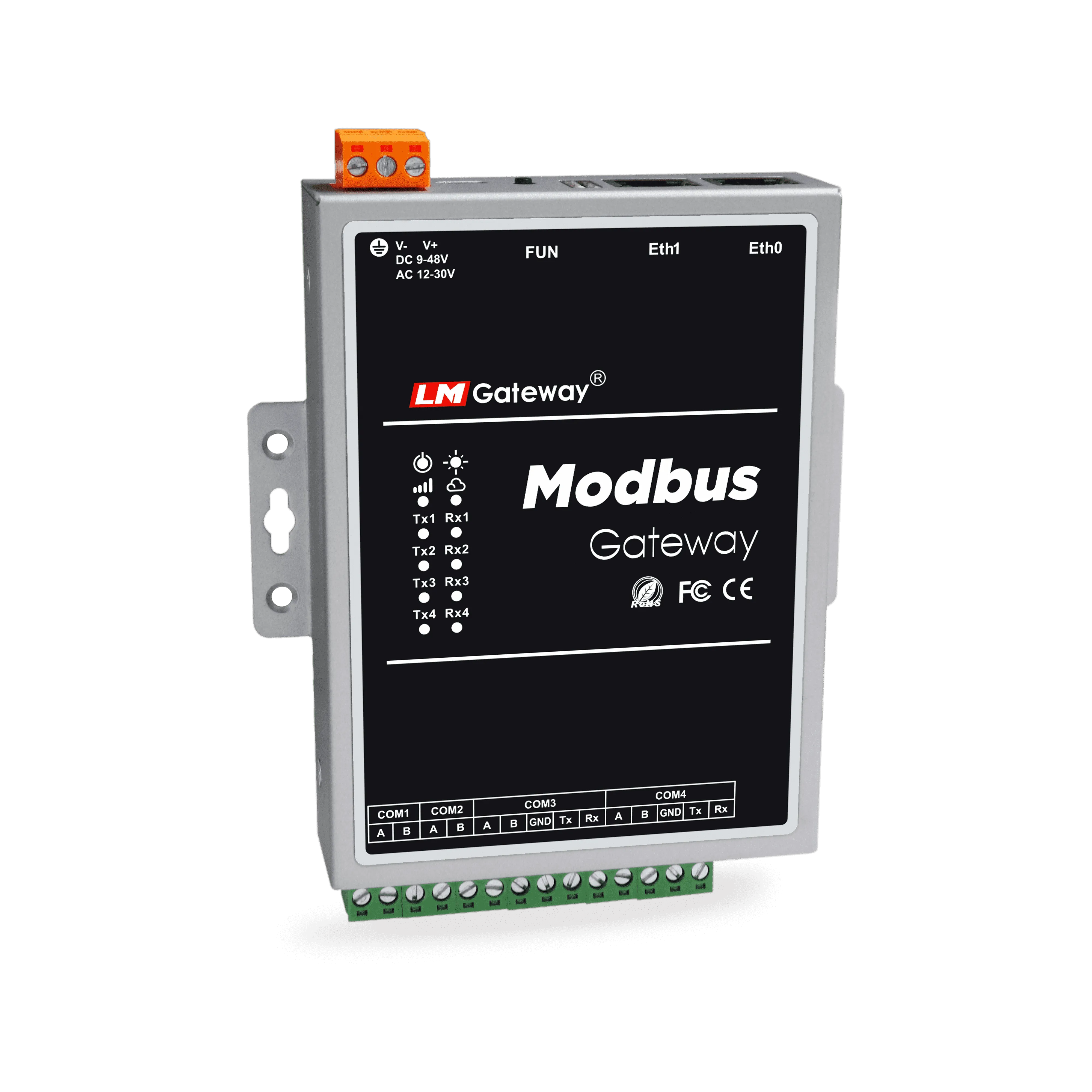
| Model | LM Gateway101-MS | LM Gateway201-MS | LM Gateway402-MS |
|---|---|---|---|
| Serial Ports | 1 isolated RS485/RS232 shared port | 2 isolated RS485 ports | 4 isolated RS485/RS232 shared ports |
| Ethernet Ports | 1 x 100M/10M Ethernet port | 1 x 100M/10M Ethernet port | 2 x 100M/10M Ethernet ports |
| Mounting | DIN rail mounting | DIN rail mounting | DIN rail mounting |
| Data Points | 256 | 512 | 1024 |
| Documentation | Download Datasheet | Download Datasheet | Download Datasheet |